

Industries
Explosion protection in pharmaceuticals
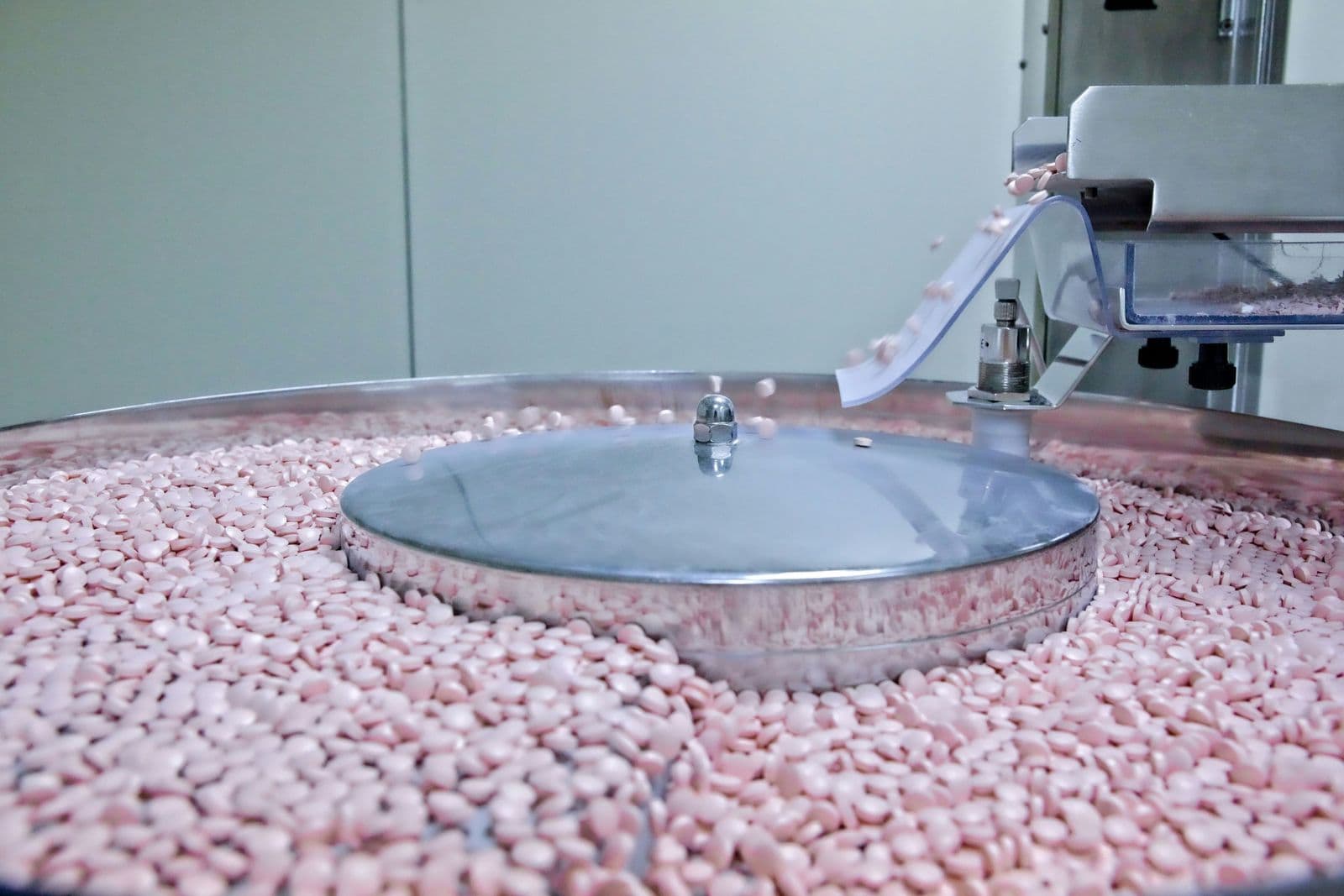
Pharmaceutical manufacturing carries a double explosion risk: the vapours of solvents used in the processes and the fine active-ingredient dusts being handled can both form explosive atmospheres — often in the same plant. And the challenge is not a one-off: explosion-protection documentation must be kept current through continuous product, solvent and equipment changes. The EPDS system is built for exactly this — and in a free consultation we show you how.
Industry experience
Sound familiar?
The documentation lives on paper or in Excel, and you're never sure which is the latest version.
A new production line or solvent arrives, and reflecting the change in the documentation is cumbersome.
Before an audit it takes days to gather the zones, the equipment and the inspection records.
You can't see at a glance which Ex equipment's periodic inspection is due.
If any of these situations sounds familiar, another document is not what you need. What you need is a dependable system that tracks and documents changing processes precisely.
Hazards
Typical explosion hazards in pharmaceuticals
In pharmaceuticals gas and dust hazards are present at the same time, and many active-ingredient dusts have a low minimum ignition energy (MIE) — meaning even a very small spark or static discharge can ignite them. That is why electrostatic charging is a key ignition source here, especially with plastic tools and IBCs.
| Hazard source | Where typical | Typical zone |
|---|---|---|
| Solvent vapour (ethanol, IPA, acetone, ethyl acetate) | granulation, coating, cleaning, crystallisation | gas zone (1 / 2) |
| Fine active-ingredient and excipient dust | weighing, milling, drying, tableting, powder transfer | dust zone (20 / 21 / 22) |
| Static electricity | powder transfer, charge-discharge, plastic parts | ignition source in every zone |
All these zones, materials, equipment and ignition sources must be recorded — and updated at every change. This is exactly the task the EPDS system makes manageable.
When we help
Typical situations when it’s worth talking
A new production line, technology expansion or scale-up.
Installing new equipment (fluid-bed dryer/granulator, coater, mill).
A solvent or formulation change.
Preparing for a regulatory or corporate (parent-company) audit.
Scheduling and evidencing the periodic inspection of Ex equipment.
The solution
How EPDS helps in pharmaceuticals
EPDS turns explosion-protection documentation into a living, central system — instead of paper and scattered spreadsheets:
Living, version-tracked documentation
It's always clear which is the current state.
Zone and equipment registry in one place
Every Ex device with its marking, category and location.
Inspection scheduling and reminders
Periodic inspections don't slip, and stay evidenced.
Change management
The impact of a new line, solvent or piece of equipment can be traced through the documentation.
Audit-ready reports
Zones, equipment and inspections can be pulled together in a few clicks.
Paperless, central access
Consistent across sites and teams.
You don't have to figure the system out alone: in a free consultation our experts show you EPDS mapped onto your own pharmaceutical processes, and review where you stand today.
Reference
From practice
From practice
- Location
- solid-dosage manufacturing, granulation and coating, multiple sites.
- The starting point
the documentation lived on paper and in Excel; a new fluid-bed dryer was already running, but the documentation didn't yet reflect it, and an upcoming corporate audit set a tight deadline.
- What changed
organised into the EPDS system, the zones, the equipment and the inspections came into one place; reflecting the new dryer and producing the audit report took a few hours, not weeks — and the state has stayed current ever since.
Knowledge hub
Before you decide, get informed.
Our expert knowledge base explains the concepts of explosion protection clearly.
FAQ
Frequently asked questions
How can explosion-protection documentation stay current alongside continuous change?
With a central system that works with version tracking and change management — so every new line, solvent or piece of equipment can be reflected without the documentation going stale. EPDS is built for this, and our experts help with the rollout.
Does EPDS help with audit preparation?
Yes. Zones, equipment and inspections are in one place and can be gathered into audit-ready reports — instead of hunting down papers.
Is fine active-ingredient dust explosive too?
Often yes. Many APIs and excipients have a low minimum ignition energy, so dust zones and ignition sources must be recorded precisely.
What is EPDS?
An explosion-protection documentation management system: from the zone and equipment registry through inspection scheduling to audit reports, it keeps your entire Ex compliance in one place. We introduce the system in a free consultation.
Let’s talk it through — free consultation
In a short, free conversation we show you the EPDS system mapped onto your processes, and review where your documentation stands today.